In today’s healthcare digitalisations, patients increasingly rely on online resources to inform their healthcare decisions, ranging from the selection of a clinic to the evaluation of treatment options. This behavioural shift highlights the necessity for healthcare providers to adopt systematic and strategic approaches to content development. In contrast to other industries, where inconsistency in messaging may only affect brand perception, in healthcare, it can undermine patient trust, misrepresent medical expertise, and ultimately influence health outcomes. Therefore, effective medical content planning plays a critical role in maintaining both clinical credibility and patient confidence.
Understand Your Patients Behaviour and Characteristics
Effective medical content begins with a clear understanding of your patients. Every clinic serves a diverse range of patients with different needs, concerns, and preferences. For instance, a paediatric clinic may focus on content around child health and vaccinations, while an aesthetic clinic may highlight anti-ageing treatments and skin health. Identifying these unique patient needs allows clinics to create tailored content that resonates and builds trust.
Creating detailed patient personas is a valuable step in the planning process. Personas represent typical patients, including their demographics, motivations, pain points, and decision-making behaviours. With well-developed personas, clinics can craft content that directly addresses common questions and concerns. This ensures your clinic is not only visible but also relevant and relatable to the patients you want to reach.
Create Clear Goals for Your Medical Content Strategy
When planning content for healthcare marketing, it’s important to recognise that not all content has the same purpose. Clinics must define their goals to provide direction and help measure success more effectively. Different types of content serve different intentions, and together they create a balanced strategy that helps your clinic attract, educate, and retain patients. Broadly, medical content can fall into these categories:
- Educational Content: Designed to inform and build trust. Examples include blog articles, treatment guides, FAQs, and infographics that explain medical conditions or preventive care in simple, accurate language. This type of content positions your clinic as a reliable source of information.
- Promotional Content: Aimed at highlighting your clinic’s services or expertise. This may include service landing pages, social media campaigns, or posts about new treatments. The goal is to raise awareness of what your clinic offers without making exaggerated claims.
- Transactional Content: Focused on encouraging direct action. Examples are online appointment booking pages, enquiry forms, or call to action buttons within your content. These are essential for converting patient interest into actual visits.
- Relational/Engagement Content: Built to connect emotionally with patients. Patient journey stories, testimonials, clinic behind-the-scenes videos, or seasonal newsletters fall into this category. These help humanise your brand and strengthen patient relationships.
Key Content Types for Medical Clinics and Healthcare Practices
An effective medical content strategy requires a diverse mix of formats designed to meet patients at different stages of their healthcare journey. Each type of content serves a unique function—whether to inform, educate, reassure, or encourage action. By strategically combining formats, clinics and healthcare practices can extend their reach, strengthen patient engagement, and build lasting credibility.
Blog Articles and Educational Resources
Blog articles remain central to healthcare content, offering detailed explanations of medical conditions, treatment options, and preventative care measures. Complementary resources such as FAQs, treatment guides, and infographics distil complex information into accessible, patient-friendly formats. The purpose of this content type is to improve health literacy, strengthen clinic authority, and enhance search engine visibility with informational or educational intention.
Video Content
Video has emerged as a highly effective tool for patient engagement. Short tours of the clinic or introductions to the care team can make doctors or healthcare providers feel more approachable and help reduce patient anxiety. The main goal of video content is to build trust, show empathy, and make healthcare feel less intimidating. Depending on the message, videos can serve different purposes, from educating patients to promoting services or even encouraging appointment bookings.
Social Media Campaigns
Platforms such as Facebook, Instagram, and LinkedIn enable clinics to connect with patients in real time. Posts may include health awareness campaigns, wellness tips, treatment highlights, or interactive Q&As. Social media also provides a channel for community engagement and visibility in competitive healthcare markets. The purpose is to maintain continuous engagement, increase patient touchpoints, and foster loyalty.
Newsletters and Email Marketing
Regular email updates allow clinics to deliver personalised and timely information directly to patients. Content may include appointment reminders, seasonal health advice, or updates on new services. This ensures ongoing communication even outside of direct clinical encounters to encourage repeat appointments, strengthen patient relationships, and maintain top-of-mind presence.
Creating a Medical Content Calendar
Consistency is essential for effective content marketing. A content calendar provides clinics with a structured plan, ensuring that content is created, published, and distributed on schedule. By mapping out monthly or quarterly themes, clinics can align their content with patient needs, for example, highlighting heart health in February or flu prevention in autumn. Beyond scheduling, a content calendar helps tie your efforts to the marketing funnel. For example:
- Top of Funnel (Awareness): Educational blog posts, infographics, and videos to reach people searching for general health information.
- Middle of Funnel (Consideration): Treatment guides, patient testimonials, or FAQs that help patients compare options.
- Bottom of Funnel (Decision): Promotional offers, service highlights, and booking CTAs that encourage patients to take action.
To support this, clinics should build their calendar around content pillars or core themes such as preventive care, treatment education, patient experience, and wellness tips. These pillars keep your messaging focused, organise your efforts, and align them with your clinic’s expertise. Each piece of content should also serve a clear intention. Some content educates patients by improving health literacy, others promote your services, and some drive action by encouraging appointment bookings. When you map these intentions alongside funnel stages and content pillars, you create a perfect content calendar that maintains consistency and delivers great results.
Ensuring Compliance and Accuracy
Healthcare content must adhere to strict standards of accuracy and compliance, particularly in Singapore where regulations under the Ministry of Health (MOH) and the Healthcare Services Act (HCSA) govern healthcare advertising. Unlike other industries, inaccuracies or misleading claims in healthcare can compromise patient safety and erode public trust. Clinics must therefore ensure that all content is fact-checked against reliable medical sources and compliant with local regulations.
Equally, ethical considerations such as patient confidentiality must be prioritised. Clinics should avoid disclosing identifiable patient information without explicit consent, especially when employing testimonials or case studies. Upholding professional standards in accuracy, compliance, and confidentiality ensures both the protection of patients and the safeguarding of the clinic’s credibility.
Choose the Right Platforms for Distribution
Choosing the right platforms for distribution is equally important. Each platform plays a different role in how patients discover, consume, and act on healthcare information. A clinic website or blog provides the foundation, housing reliable medical information and serving as the hub for patient education. From there, social media and other digital platforms help amplify your content, reach a wider audience, and build stronger engagement. Below are some key platforms and how clinics can use them effectively:
- Clinic Website & Blog: Acts as the central hub for trustworthy healthcare content. Blogs improve SEO, attract patients through Google searches, and provide detailed explanations about treatments, services, and wellness advice.
- Instagram: Perfect for visual storytelling. Clinics can share educational carousels, patient-friendly infographics, short Reels, and Stories to humanise healthcare and connect with younger demographics.
- Facebook: Useful for community building. Clinics can post updates, share articles, host live Q&A sessions, and run targeted ads to reach families and local audiences.
- TikTok: Growing rapidly as a healthcare education channel. Short, engaging videos can simplify complex topics, address common health myths, and highlight preventive care in a way that appeals to younger patients.
- YouTube: Ideal for long-form, evergreen content. Explainer videos, treatment overviews, and doctor introductions help establish credibility while giving patients a sense of familiarity before visiting the clinic.
- Email Marketing: Keeps existing patients engaged. Regular newsletters can include reminders, wellness tips, or promotions for new services, helping build loyalty and retention.
- Google Business Profile: Essential for local visibility. Optimising this ensures your clinic appears when patients search for healthcare services in their area.
Partner with Healthcare Marketing Agency
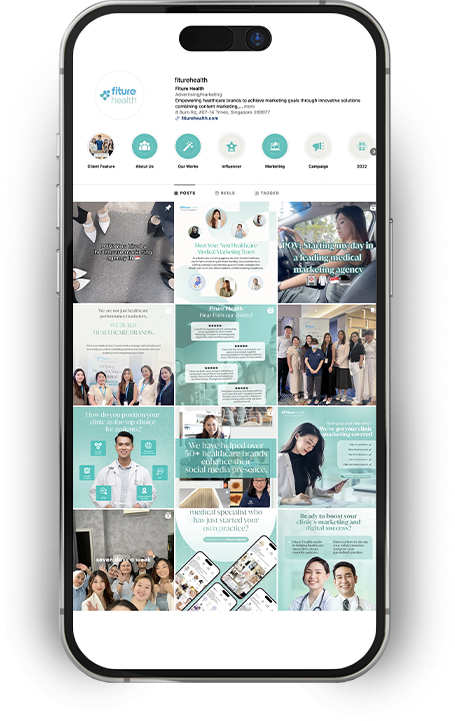
Partnering with a specialised healthcare marketing agency allows clinics to go beyond basic content creation and achieve measurable results. At Fiture Health, we combine medical industry expertise with digital marketing strategies that comply with MOH and HCSA regulations. From building content calendars and optimising SEO to creating multi-channel campaigns, our team ensures that every piece of content is accurate, compliant, and aligned with your clinic’s objectives.
Schedule a healthcare marketing strategy session with us today! Chat with us on WhatsApp and visit our socials to learn more about how we can help you reach more patients.
Learn more for another insight here: Boost Patient Appointments with Multi-Channel Medical Marketing Strategies